Services

Three routes. One production floor.

The difference between the routes is how much of the product you want to own — not how serious the project is. A ready-to-brand order and a full development order leave the same building.

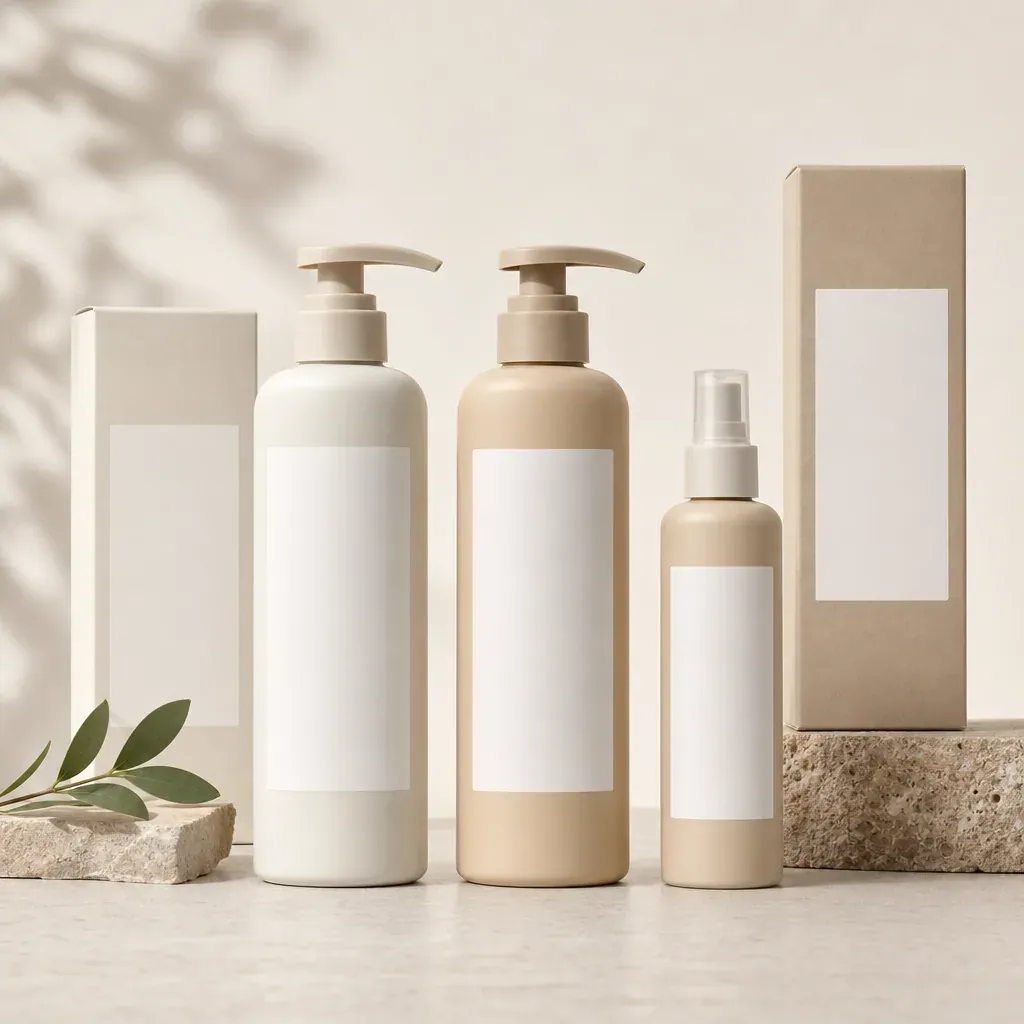
Ready-to-brand bottles with blank labels
01

Ready-to-brand

Fastest to market

You choose a direction we already produce, together with a component we already hold. We apply your logo, your label language and your carton artwork. The formula does not change.

Best for
First orders, market tests, small brands and salons
What changes
Label, carton, language, fill size within the existing range
What does not
Formula, component family, production process
Sampling
Quickest, because nothing has to be developed
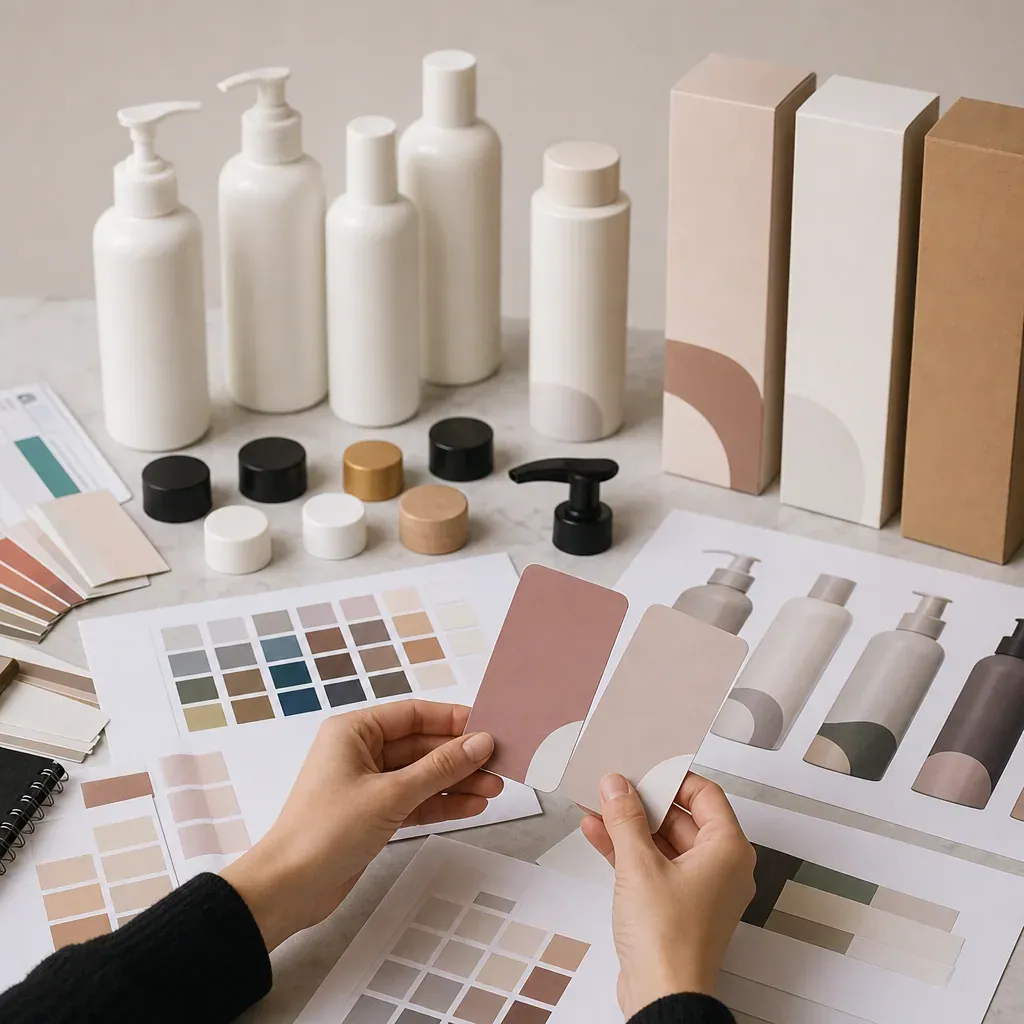
Formulation laboratory for OEM and ODM development
03

Full OEM / ODM

Most control

Development from a brief. Concept, formula direction, component sourcing, artwork support, documentation and production are planned together, with the target market fixed before the first trial batch.

Best for
Established brands, distributors and private ranges
What changes
Everything, including the formula and the component
What does not
Nothing is fixed until you approve it
Sampling
Multiple rounds; timeline confirmed after the brief

Packaging

Packaging is the cost driver, so it comes first.

Two formulas at the same price can produce very different order minimums once the bottle and the printing method are chosen. We confirm the pack before the price, not after.

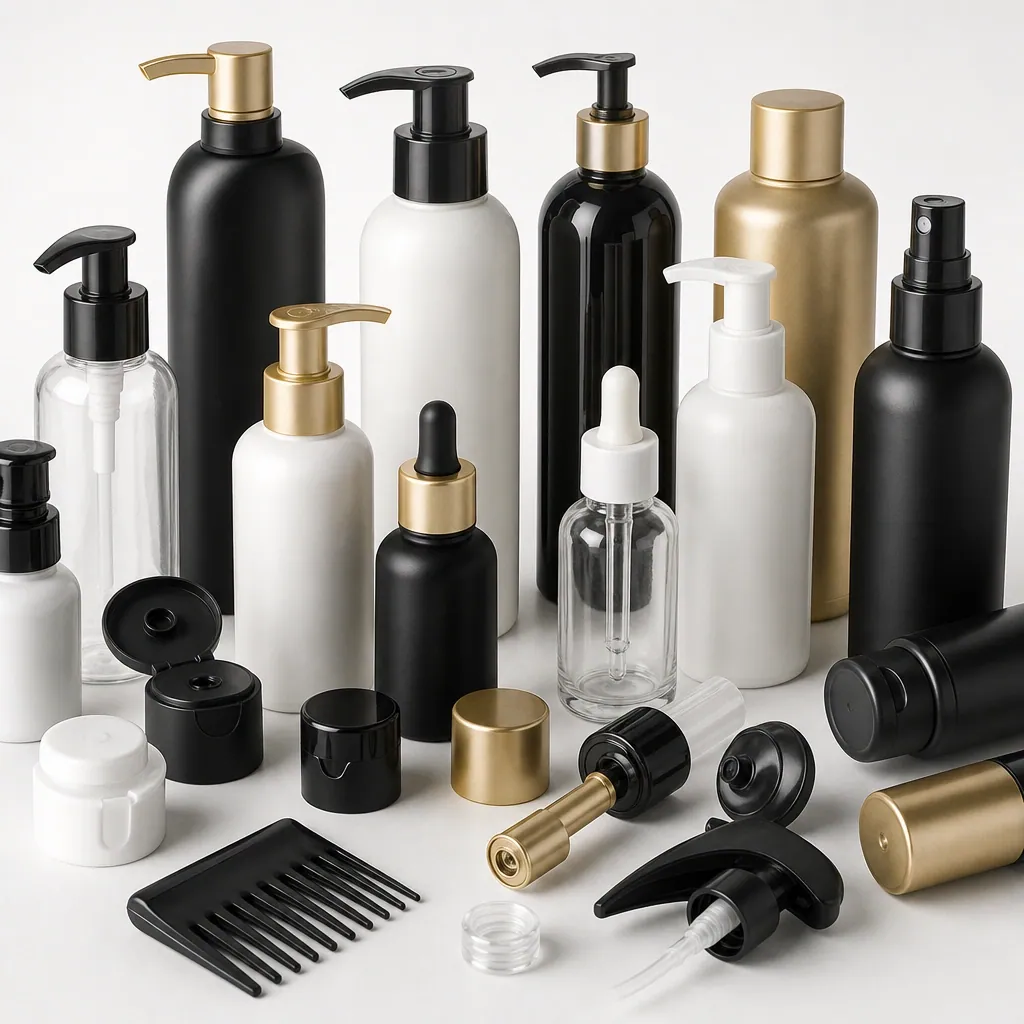
Pumps, caps and applicator components

Bottles

PET and HDPE, 100 ml to 1 litre, disc-top, flip-top or pump closure.

Tubes

ABL or PE, 50 ml to 300 ml, for creams, masks and styling products.

Jars

50 ml to 500 ml for masks, scrubs and wax, with decorated or plain lids.

Sachets

Single-use and set formats where the entry price matters more than the pack.

Kits

Multi-component cartons, trays and sleeves for routines and gift sets.

Decoration

Labels, screen print, hot stamp and carton print, confirmed against the component.

Project flow

What happens after you send a brief.

No step starts before the previous one is confirmed in writing, which is why projects do not drift once sampling begins.

  1. 01

    Brief review

    We read the market, channel, quantity and pack preference, then reply with the directions that fit or the questions that are missing.

  2. 02

    Direction and quote

    Formula direction, component options, MOQ per option and an indicative price ladder.

  3. 03

    Sample

    Produced against the confirmed direction. You approve the formula and the pack together, not separately.

  4. 04

    Artwork

    Print-ready label and carton files, checked against the market language and the required warnings.

  5. 05

    Production

    Filling, labelling, cartoning and in-process checks, with batch records retained.

  6. 06

    Inspection and dispatch

    Final check against the agreed scope, then export packing and documents.

Questions

Questions about working with us

Ask your own question
Which route should a new brand choose?

Ready-to-brand, almost always. It gets a product on shelf fastest and proves the positioning before you spend on tooling, moulds or new formula development.

Can I mix routes across one line?

Yes. A common pattern is ready-to-brand for the hero SKU and semi-custom for the supporting products, so the range looks coherent without paying for development on every item.

Who owns the artwork?

You do. We can prepare print-ready files for cartons and labels as a service, but the brand assets stay yours.

What if my quantity is below MOQ?

Tell us the real number. Sometimes changing the component brings the minimum down; sometimes the honest answer is that the order needs to be larger. We would rather say so early.

Start

Tell us the route you think you need.

If it is the wrong one, we will say so. The brief is more useful than the label on the service.

Sample before MOQ · Quotation after packaging